What is a Program of Support? Your Guide to NDIS Social Group Programs
If you're exploring social group programs through the NDIS, you've probably come across the term "Program of Support" and wondered what it actually means. Maybe you're thinking: Does this mean I'm locked into something? What if I don't like it? Will I be charged even if we can't make it to a session?
These are fair questions that come up frequently when families are considering social group programs. Let's break down what Programs of Support are and how they work.

What Actually Is a NDIS Program of Support?
A Program of Support is a structured service agreement where participants commit to attending regular sessions over a set period, typically ranging from three to six months. Instead of booking individual sessions one at a time, you're agreeing to consistent attendance at scheduled times, usually weekly or fortnightly. This structure allows the NDIS provider to plan staffing, maintain group consistency, and work toward specific goals over time.
Programs of Support are commonly used for social group programs where progress requires regular engagement rather than sporadic attendance. The commitment works both ways - you commit to attending, and the provider commits to holding your spot in the program.
Why Some Social Group Programs Use This Structure
Social connection and confidence building take time. Research consistently shows that meaningful relationships and genuine skill development require regular, repeated interaction rather than occasional contact. When participants attend sporadically or groups have constantly changing members, it's difficult to move past surface-level interactions or build trust.
Programs of Support solve this problem by ensuring everyone in the social group program commits to regular attendance. This creates a stable environment where participants can get comfortable with each other, practice social skills without the pressure of constantly meeting new people, and develop authentic friendships. Support workers also benefit from this consistency, as they can better understand each participant's needs and track progress over time.
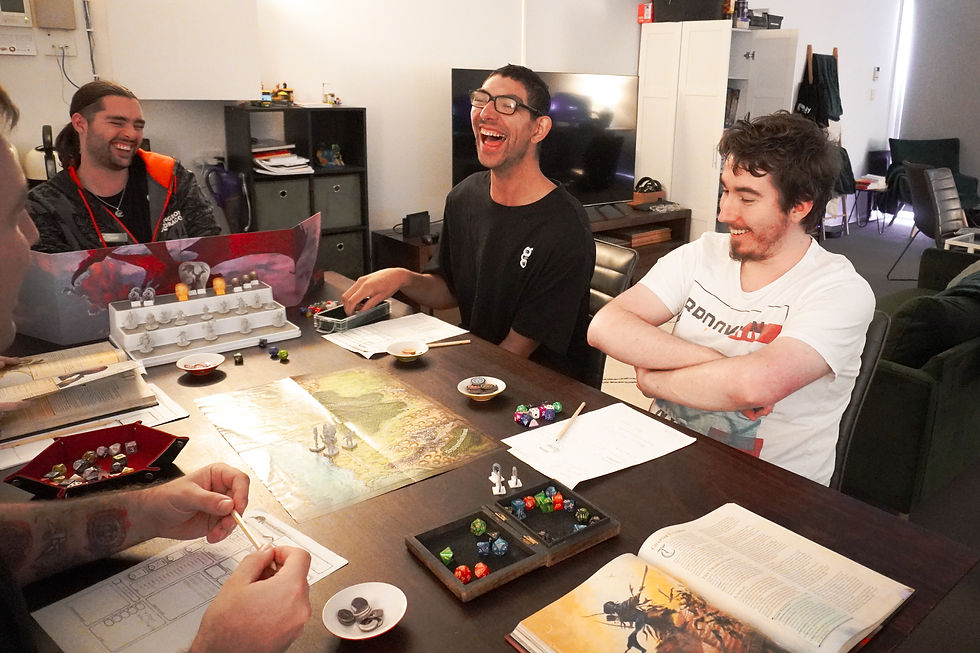
At Gamely Connect, we've found that seeing familiar faces every week allows participants to relax and be themselves. The consistency means people aren't "the new person" each session - they're part of an established community where genuine connections can grow.
How Commitment and Exit Terms Work
Most Programs of Support require a formal commitment period, though the specific terms vary between providers. This commitment typically includes attending scheduled sessions, providing notice for absences where possible, and working collaboratively toward agreed goals. The structure protects both the participant and the provider - you're guaranteed your spot in the program, and the provider can maintain appropriate staffing levels.
Exit terms are an important part of any Program of Support. Reputable providers will clearly outline how participants can exit the program if it's not meeting their needs. Programs can often be adjusted if c
ircumstances change, such as modifying goals or changing session times. It's worth asking about these terms before committing to any social group program.
At Gamely Connect, participants can exit by providing 14 days written notice. We can also adjust programs if your circumstances change.
Understanding Payment When You're Absent
This is one of the most common questions about Programs of Support: what happens to payment if you can't attend a session?
In most Programs of Support, payment continues even when you're absent. This might seem counterintuitive, but there's a practical reason. For social group programs using shared support models (like 1:2 or 1:3 ratios), an absence doesn't change the support ratio for other participants - they're still receiving the same level of support they signed up for. When someone is absent, providers still need to pay our support worker who showed up for their shift, and we can't charge the other participant double because they're still only receiving 1:2 support. The benefit is predictable billing - you know exactly what your NDIS costs will be each month without surprise variations.
The Benefits of This Model
Programs of Support offer several advantages for participants in social group programs. Predictable budgeting allows families to plan their NDIS spending without monthly variations. Shared support ratios mean funding goes further compared to 1:1 support, making regular attendance more affordable. The time commitment allows for genuine skill development and relationship building rather than superficial interactions. Providers can track progress toward goals over months rather than sessions, celebrating meaningful achievements.
For participants, knowing you'll see the same people each week creates psychological safety. You can take social risks, make mistakes, and grow without the pressure of constantly proving yourself to new people. This consistency is particularly valuable for neurodiverse individuals who may find unpredictable social situations stressful.
At Gamely Connect, participants tell us the predictable routine and familiar faces are what make them feel comfortable being themselves. The six-month program length gives friendships real time to develop, and our 1:2 model means costs stay manageable while still providing quality support.
Is a Program of Support Right for You?
Programs of Support work well for people seeking consistent social connection and skill development over time. They're ideal if you value routine, want to build genuine relationships with peers, and can commit to regular weekly attendance. The structure provides stability that helps many neurodiverse individuals feel safe and supported.
They may not suit everyone. If you need complete flexibility, prefer drop-in sessions, or can't commit to weekly attendance due to other commitments or health reasons, a Program of Support might feel restrictive. Some people prefer booking sessions individually, even if it means less consistency and higher costs per session.
Consider what matters most: flexible scheduling or consistent community? Lower per-session costs with commitment, or pay-as-you-go with no obligations? There's no wrong answer - it depends on your individual circumstances and what you're hoping to achieve through a social group program.
Questions to Ask Before Joining
When considering any Program of Support for NDIS social group programs, ask potential providers:
What is the commitment period and what are the exit terms?
How much notice is required if I need to leave the program?
What is the support ratio?
These questions help you understand exactly what you're signing up for and whether a particular provider's Program of Support matches your needs and expectations.
If you'd like to learn more about how Programs of Support work at Gamely Connect, we're happy to answer questions. Visit our website at gamelyconnect.com or give us a call to chat about whether our social group programs might be a good fit.
This information is general in nature. Individual Programs of Support vary between NDIS providers. Always review your Service Agreement carefully and ask questions before signing.