
How to Choose the Right Goals for Making Friends as a Person with Autism
Making friends as a person with autism can feel overwhelming when you're not sure where to start. Whether you're a parent supporting your teen, a self-advocating adult, or a support coordinator helping someone develop their social skills, choosing the right friendship goals makes all the difference.
The key is starting where the you are right now and building from there. Not every goal will fit every person, and that's completely okay. The aim isn't to change who you are or force you to fit into neurotypical expectations. It's about finding your people and having the skills you want when you want to use them.
Start With What Feels Manageable
When it comes to building friendships, small & specific goals work better than broad ones. Instead of "make more friends," try something concrete like "remember and use the names of at least 3 regular peers." This gives you something measurable to work toward and celebrate when achieved.
Consider goals around initiating conversations, like wanting to start a chat with at least 2 different people each session. Or perhaps practicing asking follow-up questions when someone shares something. These are tools you can use when you feel comfortable, not rules you must follow.
Choose Skills That Work for You
Here's the thing about "social skills": masking and forcing yourself to perform neurotypical social expectations is exhausting. The goal isn't to become someone you're not.
Instead, think about skills that genuinely help you connect with others in ways that feel authentic. Maybe you want to recognise when someone is joking versus being serious because understanding the difference helps you feel more comfortable in conversations. Or maybe learning to read when someone wants to end a conversation isn't about following neurotypical rules, it's about respecting both their boundaries and your own energy.
Some people might want to work on joining existing group conversations appropriately. Others might focus on building one close friendship where they exchange contact information and stay connected between sessions. Both are valid. The goal should feel right for the individual, not what someone else thinks they "should" be working on.
Find Your Community
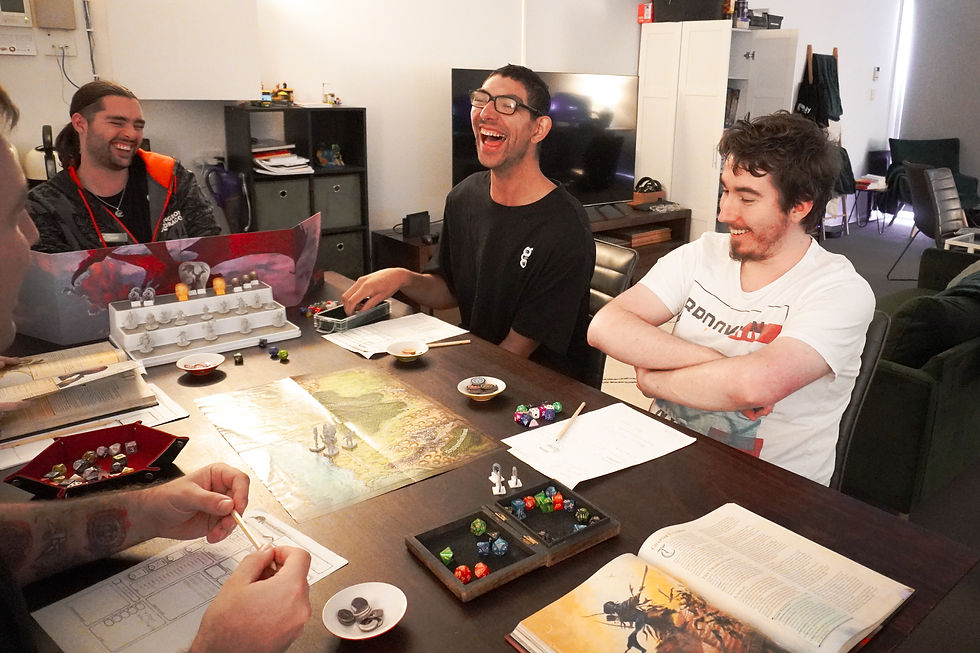
Making friends as an autistic person often works best when you're in spaces where you can be yourself. That's why shared interests matter so much. When everyone's already there because they love gaming, board games, or D&D, you've got built-in common ground. You don't have to work as hard to find conversation topics or pretend to care about things that don't interest you.
Goals around teamwork and cooperation, like practicing working in a team of 3 or more people on cooperative challenges, aren't about conforming. They're about learning to collaborate with people who share your interests. Learning to manage disagreements during games without becoming upset, or developing strategies for staying calm when losing, builds skills that help in all areas of life - but only when applied in ways that work for you.
Make Room for Self-Advocacy
Some of the most important goals for making friends as an person with autism are about self-advocacy. This might look like communicating preferences and boundaries clearly to peers and staff, or asking for help when needed rather than struggling alone.
For some people, this means requesting accommodations independently, like asking for quieter games or sensory breaks. For others, it's about practicing saying when they don't understand something. These skills help you show up authentically rather than masking your needs until you're completely exhausted.
Consider Your Communication Style
Goals should match how someone communicates best. For individuals who are non-verbal or low-verbal, appropriate goals might include using an AAC device or communication cards to interact with at least 2 peers each session. There's nothing wrong with alternative communication methods. The focus stays on genuine connection, just with different tools.
Keep It Real
The right goals for making friends as a neurodiverse person are the ones that matter to the individual. Maybe that's participating in group check-ins at the end of each session. Maybe it's helping welcome new peers to the group.
Whatever the goal, it should move you closer to genuine connection and community on your own terms. That's what friendship is really about: finding your people and feeling safe being yourself around them, without the exhausting work of pretending to be someone you're not.
Looking for a supportive environment to work on social connection goals? Gamely Connect offers sensory-friendly gaming sessions designed to help neurodiverse teens and adults build genuine friendships at their own pace, exactly as they are.


